



eighteenth-century astronomical equipment reflecting telescope
The main component of a reflecting telescope is a concave mirror (primary mirror), which reflects light to the focal point. Unlike refracting telescopes, reflecting telescopes use mirrors instead of lenses to focus light, which avoids chromatic aberration problems. Common reflecting telescope designs include the Newtonian and Cassegrain telescopes. Reflecting telescope design was further developed in the 18th century, particularly with large aperture and high power reflecting telescopes. The use of a parabolic mirror allows the light rays parallel to the optical axis of the objective lens to be accurately focused on the focal point, thereby greatly improving the image quality.
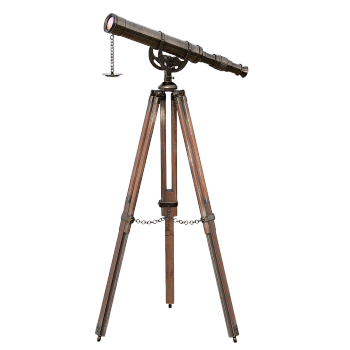
Old style copper astronomical telescope

3D model of astronomical telescope

Indoor and outdoor stainless steel metal tripod astronomical telescope

Astronomical pentameter in the first half of the 19th century
Built by artist Joseph von Utzschner in the first half of the 19th century, this instrument is an observational astronomical device used to determine the height of celestial bodies above the horizon. It consists of a frame limited by two radii, an arc with a scale, an observation telescope, and a mirror system. It is used to determine the position of celestial bodies by using a mirror system that produces a reflection image of the observed object parallel to the horizon in the observer's field of view. In order to observe the position of the sun, a filter is used to limit the amount of light reaching the observer's eyes. The instrument is currently housed in the Jagiellonian University Museum in Munich, Germany.

Indoor and outdoor red walnut solid wood triangular support frame metal parts assembly astronomical telescope

astronomical observation instrument
An observational astronomical instrument of the first half of the 19th century used to determine the height of a celestial body above the horizon. It consists of a frame limited by two radii and a graduated arc, an observation telescope and a mirror system. The 1/5 arc is the fifth part of the circle, hence the name, similar to the quadrants, 1/6, and 1/8 (based on the fourth, sixth, and eighth parts of the circle, respectively). It is currently housed in the Jagiellon University Museum in Munich, Germany.

Popular Models
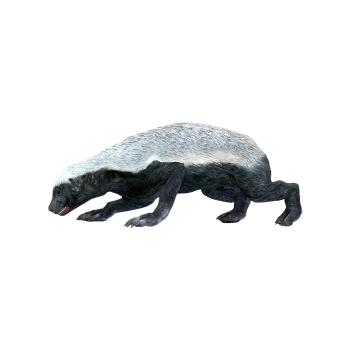
Honey Badger (3D animated model)
192 View
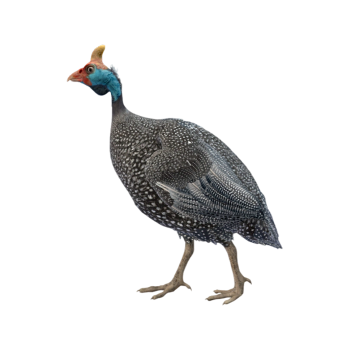
Guinea fowl (3D animated model)
163 View
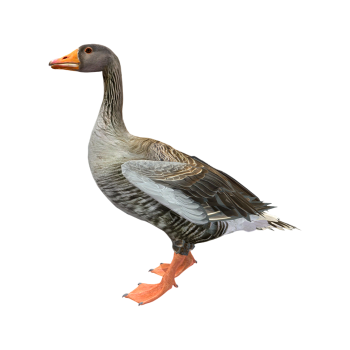
Wild Goose (3D animated model)
185 View
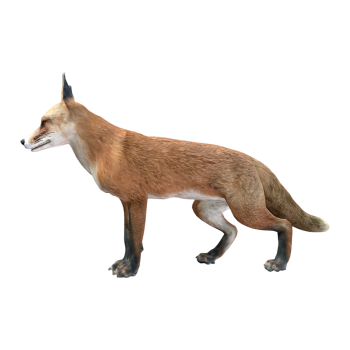
Red Fox (3D animated model)
153 View
Random Model

Japan Boss HM2 guitar effect pedal
796 View


Malabar Pomfret Lipid Carp Specimen
703 View

Japanese battlecruiser IJN Amagi
913 View

FBX model of fuel pump nozzle
945 View


Meta Quest Touch Plus Controller
863 View

Red edged baseball cap OBJ model
867 View

Vintage Wooden Table Lamp
847 View